
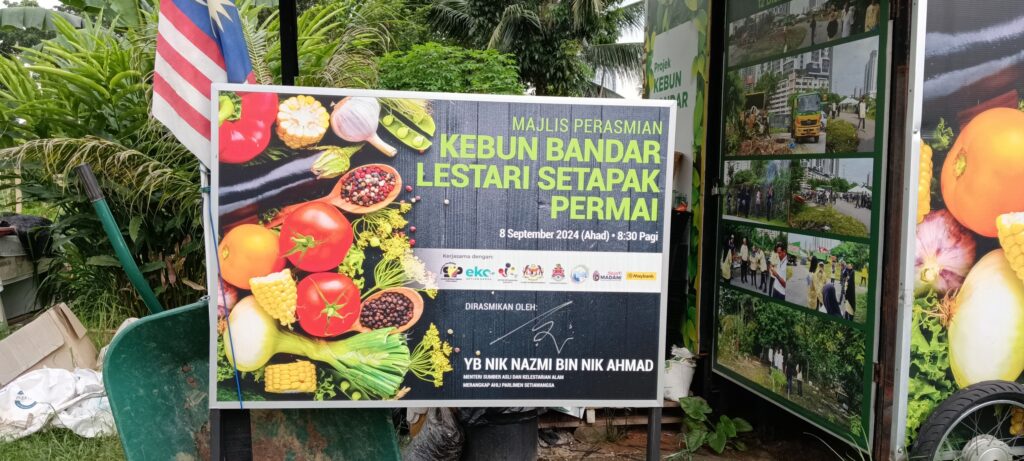
Kebun Lestari Setapak Permai
Turning Food Waste into Food, Right in the Heart of the City
Address: Jalan 1/54a, Taman Setapak Permai, 53300 Kuala Lumpur, Wilayah Persekutuan Kuala Lumpur
In a quiet corner of Setapak, Kuala Lumpur, what was once an abandoned dumping ground has been transformed into a thriving urban farm.
Today, rows of leafy greens, vegetables, and fruiting plants grow on soil that was once considered waste — a living example of how cities can rethink food, sustainability, and community.
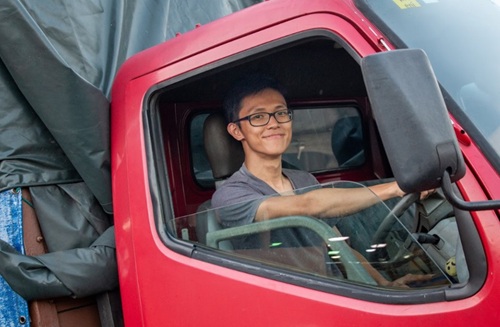
This is Kebun Lestari Setapak Permai, led by urban farmer Yap Jing Zong.
“Here in our garden (Kebun Lestari Setapak Permai) doesn’t just supply vegetables, fruits and organic compost to the local community, but also serves as a space to share knowledge on sustainable gardening, and to connect with nature.”
♻️ How the Farm Works
At Kebun Lestari, over 70% of fertiliser comes from food waste collected from nearby homes, restaurants, and hospitals.
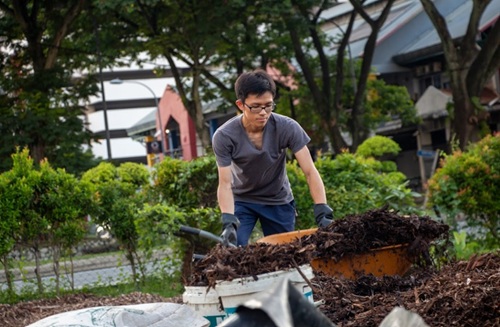
Using a carefully managed composting system — powered by his Urban Recycling Ecosystem (URE) and BioBin technology — food waste is transformed into nutrient-rich soil in as little as one week.
This creates a closed-loop system:
Food Waste → Compost → Fresh Produce → Back to the Community
The farm now processes up to 200kg of food waste daily, turning it into healthy soil that supports vegetables, fruits, and plants — all grown within the city.
👨🌾 From Engineer to Urban Farmer
“I made it my mission to reduce food waste from ending up in landfills and instead, ‘save’ it by turning it back into food.”
Jing Zong didn’t start out as a farmer.
With a background in Mechatronics Engineering, he was trained to think in systems — to optimise processes, improve efficiency, and solve complex problems.
During the pandemic, he began experimenting with composting food waste at home. What started as a small personal project quickly revealed something bigger:
Food waste wasn’t just waste — it was an untapped resource.
Driven by this realisation, he began collecting food scraps from homes and businesses, transforming them into compost, and growing food from it.
Over time, that small experiment evolved into a full-scale urban farming initiative serving the local community.
🌍 Real Impact, Real Possibility
This is not just an idea — it’s already working:
- Over 70 tonnes of food waste recycled
- More than RM54,000 generated through compost and plant sales
- Fresh produce supplied directly to local residents
- Recognition from organisations like WWF Malaysia and the EU Youth Empowerment Fund
- Featured on platforms like TEDx Petaling Street
More importantly, it shows that urban communities can take control of their own food systems.
🤝 Why It Matters (and How You Can Be Part of It)
Malaysia generates thousands of tonnes of food waste daily — much of it ending up in landfills.
Kebun Lestari offers a different model:
- turning waste into value
- producing food locally
- strengthening community resilience
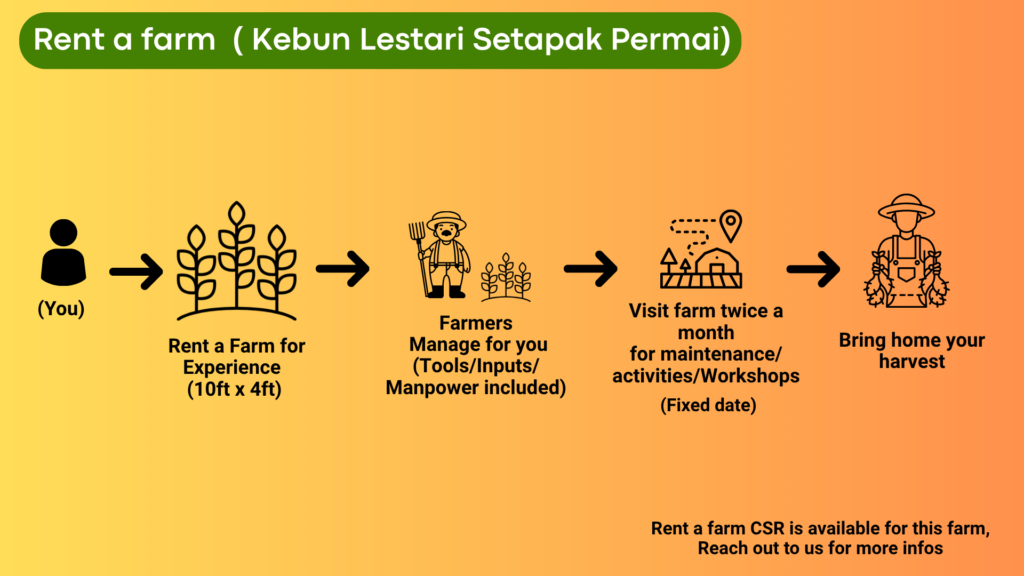
Through Sebijihub, you can now support and be part of farms like this — reconnecting with how food is grown, and contributing to a more sustainable future.
Because every meal begins with the soil.
And sometimes, that soil begins with what we choose not to waste.
🌱 Grow with Jing Zong. Grow with Sebijihub.